
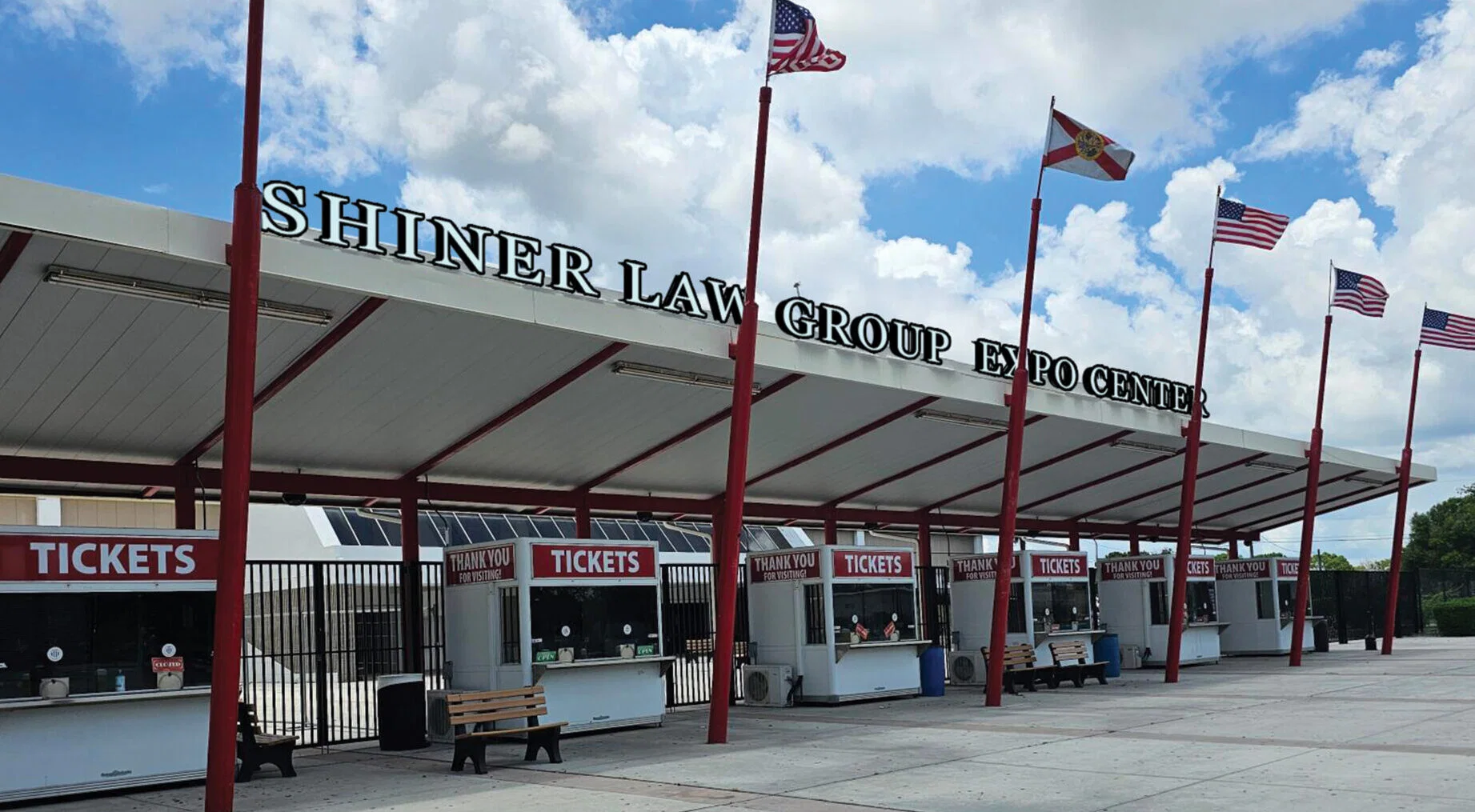
An expo center on fairgrounds logic works differently from a downtown convention shell. The useful note is acreage, trailer movement, utility practicality, and a room culture that accepts a more rugged service pattern — Shiner Law Group Expo Center.
The section should therefore sound like grounds-and-hall operations instead of civic-lobby arrival choreography — the center.
That difference is what keeps this venue from collapsing into the same copy as the county convention center — the center.
Execution priorities for Shiner Law Group Expo Center
- Lead with grounds access and acreage logic — Shiner Law Group Expo Center.
- Keep trailer movement, open-floor conversion, and fairgrounds pragmatism visible — Shiner Law Group Expo Center.
- Treat the venue like an expo ground, not a downtown convention shell — Shiner Law Group Expo Center.
West Palm Beach trade show market
Trade shows in West Palm Beach move fast.
Trade show weeks in West Palm Beach compress decisions.
it offers more than 200 daily nonstop arrivals and departures on 13 airlines and sits roughly 2.5 miles west of downtown West Palm Beach, which sets the practical ceiling for a booth program working the market.
Who handles what during the West Palm Beach install window
Practically, that means pulling the current exhibitor manual for every show and confirming a handful of items in writing: which tasks the venue's house crews cover, which tasks the show's general contractor covers, and what an exhibitor or their appointed contractor can handle without escalation.
The convention center publicly markets itself as a non-union facility while still centralizing utilities, parking, rigging, and preferred AV through venue-side service structures.
Scope at Shiner Law Group Expo Center
Projects at the center typically include design work, fabrication or rental sourcing, graphics production, show-service paperwork, freight, install, show-hours coverage, and strike.
Individual projects layer or remove items based on scope.
The handoffs on a project at the center matter almost as much as the line items. Design has to hand a build-ready drawing to fabrication. Every handoff is a place quality can drop.
Scope boundary is as important as scope inclusion.
From first call to strike
Once scope is clear, the venue work begins.
One named show-site lead runs the install.
That document drives the next booking.
Budget and timeline
Cost scales with how it is built, how big it is, what the venue charges for its own services, what the graphics look like, how far the crates travel, and how many days the team stays on-site.
Rental programs run on 8 to 12.
What a successful project looks like
Trade show ROI is measured at the lead and pipeline level.
The post-show debrief is where the numbers get connected back to the physical booth. Which demo station drew traffic, which meeting area closed more conversations, which graphic zone attracted dwell time — that feedback shapes the next build rather than getting lost.
The advantage of a local West Palm Beach team
Local fabrication means real-time problem-solving. A graphic that needs to be reprinted at 6 a.m.
Clients who run repeat programs across multiple dates end up paying less per event when the same team handles everything. Less re-briefing, less re-training, less re-checking — the operational overhead drops year over year.
Working at Shiner Law Group Expo Center
Shiner Law Group Expo Center is one of the venues we work on regularly in West Palm Beach.
Running a project here means working against the venue's own exhibitor manual, dock windows, and service-order deadlines. Those details are confirmed before any build commits to fabrication.
Questions teams ask before Shiner Law Group Expo Center goes live
How does labor work in West Palm Beach?
It runs venue by venue.
How much lead time is ideal?
Custom builds run best with 16 to 20 weeks of lead time. Rentals take 8 to 12 weeks.
What information kicks off a project?
The show, the venue, the booth number, the dates, and a target budget range. From those, an initial scope and a realistic cost come back within a few days.
Who runs the booth on-site?
One named show-site lead runs the install, the show hours, and the strike. That person carries the floor plan and the punch list from crates to doors and reports up once a day.
Can the booth travel to the next city on our calendar?
Same structure, swappable graphics, standard crates.
What happens if something breaks during show hours?
The on-site lead handles it.