
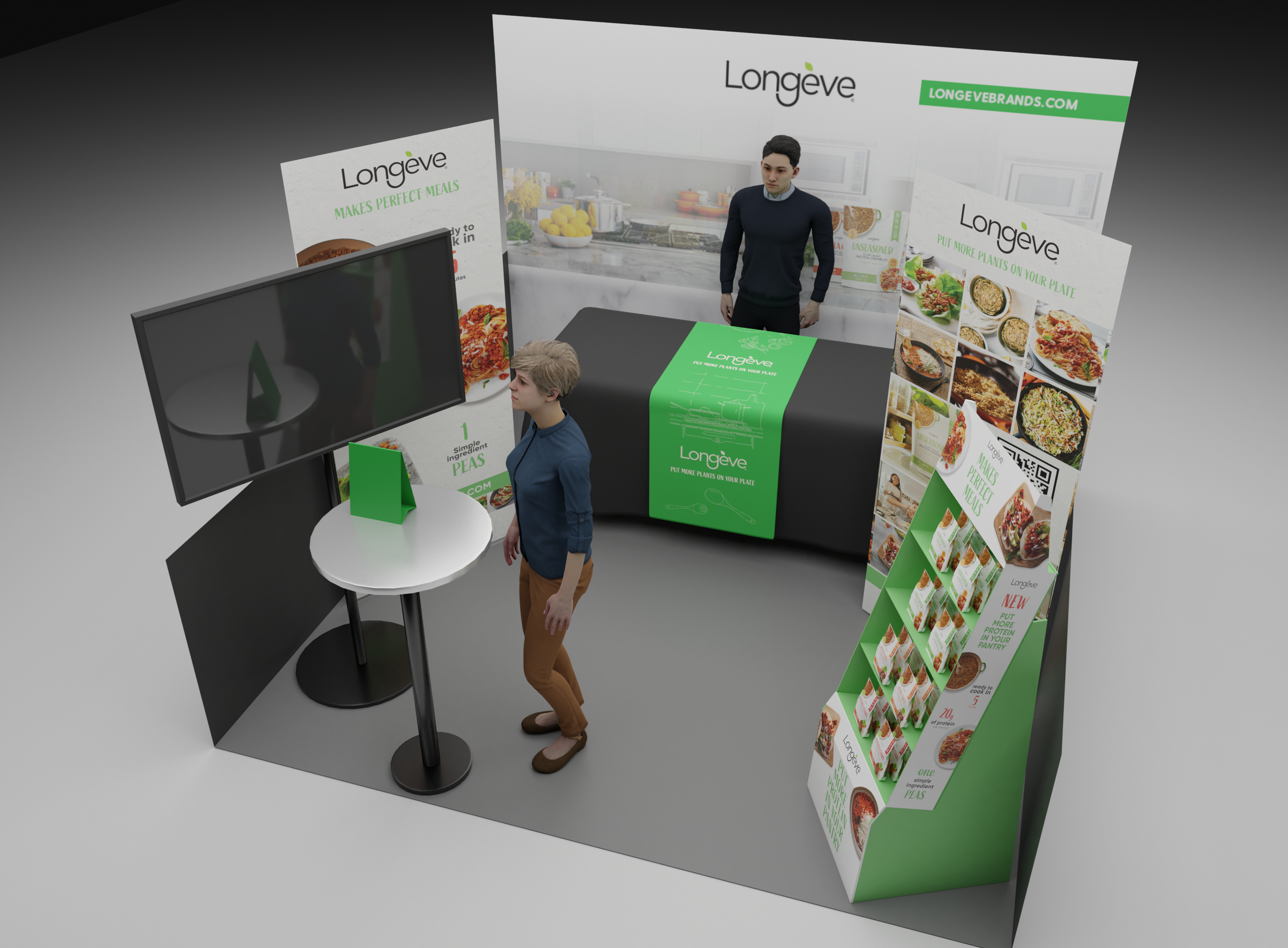
Trade show booth design is not about moving a kit quickly. The real subject is how the concept reads from distance, how the message hierarchy lands in seconds, and how the footprint turns brand goals into a physical environment — the design.
The section should sound like design authorship and visitor choreography rather than like a transport-efficient display note — the design.
That is what separates booth design from portable display logic even when both topics still care about budget discipline and clear setup — the design.
Execution priorities for Trade Show Booth Design
- Lead with concept architecture and message hierarchy — Trade Show Booth Design.
- Keep sightlines, visitor path, and brand translation visible — Trade Show Booth Design.
- Treat the section like authored environment design, not travel-light display selection — Trade Show Booth Design.
The West Palm Beach event landscape
West Palm Beach runs one of the busiest trade show calendars in the region. Convention weeks stack close together, hotel blocks compete for the same nights, and the venues themselves shape what is possible on the floor.
The attendees vary by show — some weeks draw regional operators, others pull international buyers in for a single conference — but the floor mechanics stay consistent. Every booth needs graphics production, show services, labor calls, and a plan for the specific building it's landing in.
PBI reported a new 8 million-passenger record in June 2024, showing sustained travel demand feeding the Palm Beach meetings market.
its East and West halls combine for 84,750 square feet and can handle more than 450 10x10 exhibit booths, which sets the practical ceiling for a booth program working the market.
The buildings that host West Palm Beach events
Different West Palm Beach venues mean different floor plans, different labor rules, and different freight realities.
A venue walk — either in person or via the published floor plan — is the step that reveals constraints no spec sheet shows. Column spacing, real ceiling height at the grid point, and dock access shape what's actually buildable.
How West Palm Beach floor operations work
Labor in West Palm Beach runs venue-by-venue, not citywide. Each building publishes its own rules for who handles what on the floor.
Florida is a right-to-work state, which supports an open-market labor baseline rather than a venue-wide union mandate by default.
Where West Palm Beach shows cluster
This is the primary convention-services cluster led by the Palm Beach County Convention Center, Hilton West Palm Beach, downtown hotel inventory, Kravis Center, waterfront civic venues, and Brightline-adjacent hospitality.
Lucie. Northern spillover into Martin and St. Lucie counties is justified for regional conferences, overflow venue demand, and programs that still want a Palm Beach-based execution partner rather than a separate vendor stack.
What's included in the project scope
A well-run project has few surprises on install day because the handoffs upstream were tight. A bad one has many, because they weren't.
A clean scope definition also calls out what isn't included: show organizer fees, client staff travel, and anything the client already has under contract (lead capture platforms, CRM integrations, promotional giveaways). Those run alongside the engagement rather than inside it.
How a project runs
Everything downstream hinges on those answers.
Once scope is clear, the venue work begins. Exhibitor manual, dock times, utility order IDs, rigging submissions for hanging elements, and labor calls all get locked against the venue's actual rules.
Production covers fabrication, graphics, AV spec, rentals, and crew chief assignment. It is the longest phase of most projects and the one where timelines are either protected or lost.
The install phase has one owner on the floor.
Show-hours coverage is part of every engagement — not a premium add-on. On-floor support keeps the booth running while the client team runs the pipeline.
Strike and closeout happen the same day. Storage labels, outbound manifests, vendor performance notes, and a written debrief go out within 24 hours of doors closing.
What it costs and how fast it moves
An honest quote itemizes the variables. There is not a single price — there is a configuration.
Six variables drive the cost: custom versus rental, booth footprint and complexity, venue-specific labor and rigging fees, graphics scope and substrate, freight distance and timing, and the number of on-site supervision days.
Outcomes we optimize for
A project runs well when install clears the venue's published window, all show services land as ordered, the booth performs across every show day without pulling the client team off pipeline work, and strike clears the dock before the next occupant loads in.
Most programs in West Palm Beach are evaluated on lead-capture volume, meetings booked on the floor, and qualified-pipeline attribution after the show. The booth is a means to those numbers — it is not the number itself.
How we're built to run your project
Local fabrication means real-time problem-solving. A graphic that needs to be reprinted at 6 a.m. On install day is a same-morning fix, not a three-day shipping delay.
Consistency across show dates is the other reason to hire local. The same crew that built the booth runs the install, knows the pack-out, and catches the small things — a missing hardware pack, a graphic edge that needs reseating, a storage crate routed to the wrong bay — without needing the client team to intervene.
Trade Show Booth Design: planning questions that matter
Do you work at Hyatt Place West Palm Beach Downtown?
Yes. Hyatt Place Downtown is a useful midscale option for overflow rooms, sales meetings, and compact conference programs in the downtown core. It matters when planners want walkable West Palm access without paying for a resort-style venue stack.
How does labor work in West Palm Beach?
It runs venue by venue.
How much lead time is ideal?
Custom builds run best with 16 to 20 weeks of lead time. Rentals take 8 to 12 weeks.
What information kicks off a project?
The show, the venue, the booth number, the dates, and a target budget range. From those, an initial scope and a realistic cost come back within a few days.
Who runs the booth on-site?
One named show-site lead runs the install, the show hours, and the strike. That person carries the floor plan and the punch list from crates to doors and reports up once a day.
Can the booth travel to the next city on our calendar?
Same structure, swappable graphics, standard crates.
What happens if something breaks during show hours?
The on-site lead handles it.